soft transition studio journal
Make the in-between part of the day feel designed.
Lebamo studies the overlooked passage between one state and the next: leaving a room, arriving at a table, changing pace after work, or guiding a team through a quieter handoff. The site collects practical language, visual prompts, and field observations for people who want change to feel less abrupt without pretending life can be perfectly optimized.

Operating thought
Calm is easier to keep when the handoff is visible.
A good transition is not frictionless. It simply makes the right friction visible early.
Lebamo treats movement as a designed interval: the desk before the train, the key dish before the meeting, the half-hour after a hard conversation.
The work is deliberately small because most change is lived in small rooms, small routes, and small handoffs.
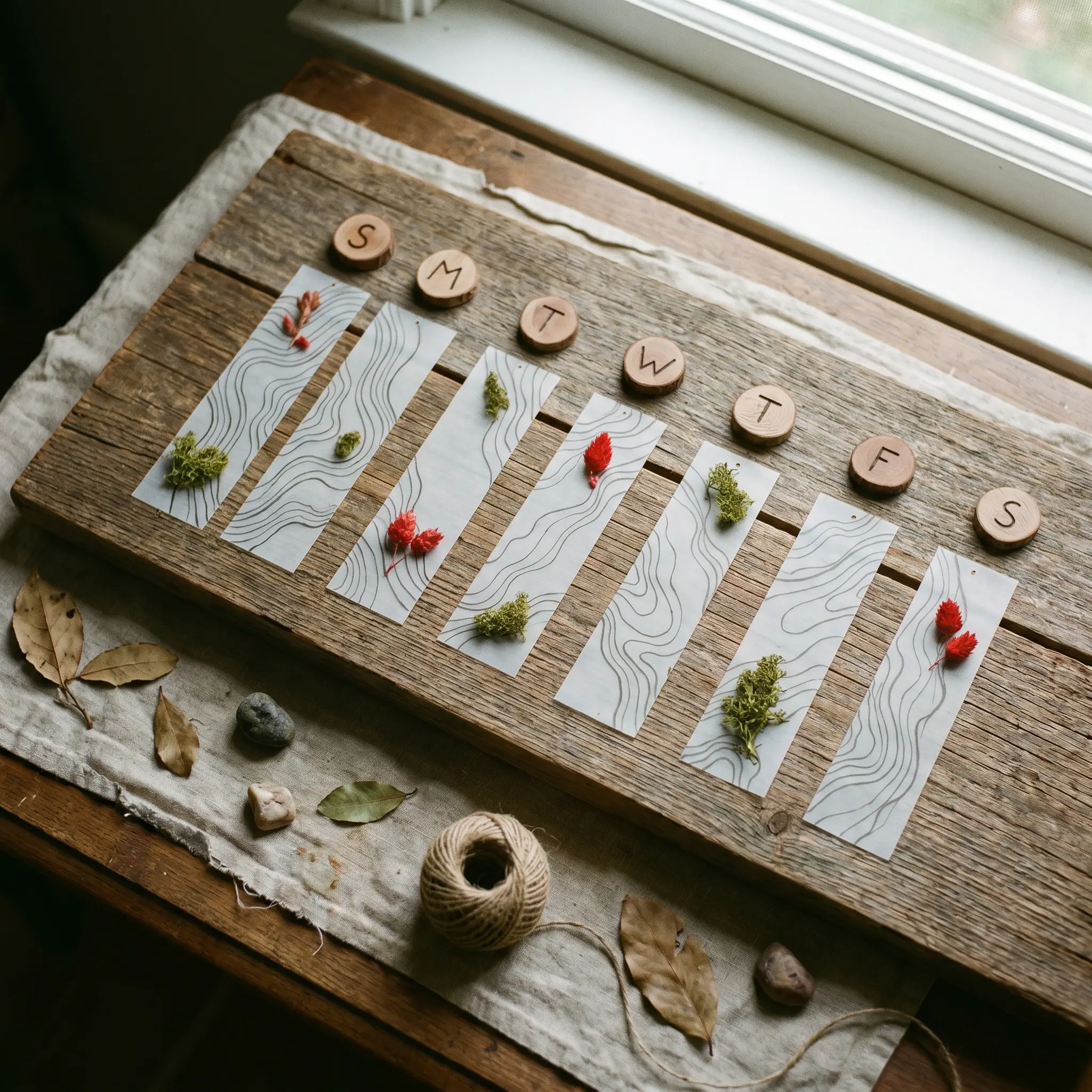
A route table
Three places where the day changes shape
Before leaving
Place the next object by the door, not in memory.
lowIn motion
Give the route one quiet buffer instead of three loud alarms.
mediumOn arrival
Name the first surface, first sound, and first task.
warmRoute as atmosphere
A commute, corridor, lobby, or kitchen path is read as an environment, not just a line between tasks.
Time with a landing
The most useful buffer is the one that helps a person arrive, not the one that merely absorbs delay.
Objects as cues
Shoes, cups, cards, benches, notes, and lights become quiet instructions when they are placed with care.